
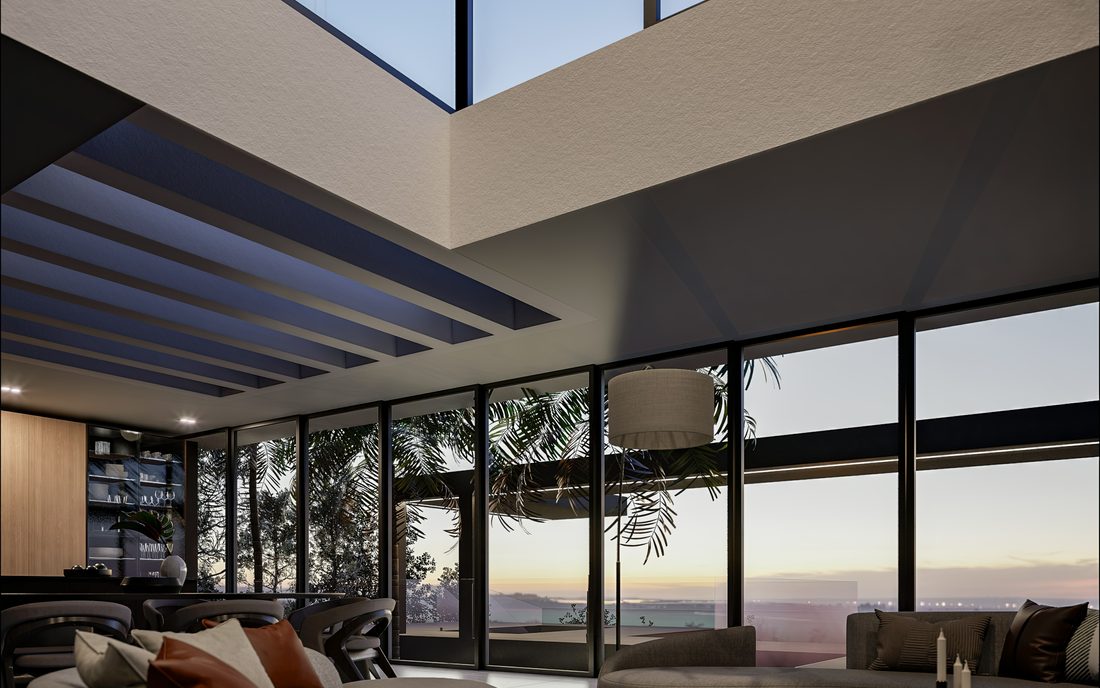
What makes interior design succeed?
Interior design is not just picking colours and furniture — it is a considered organisation of space that serves daily use and reflects the character of the place. A successful space is comfortable, practical, and true to its project's identity, from space planning to finishes, materials, and detailing.
The process stages
- Concept and brief: understanding the user's needs, lifestyle, and the purpose of each space
- Space planning: organising circulation and functions for the best use of the area
- Visualisation: mood boards and 3D models to review the look before execution
- Materials and finishes: balancing beauty, durability, and budget
- Execution detail: precise lighting, built-in furniture, and finish drawings
- Supervision: ensuring the result matches the design
Considerations before you start
- Set the budget and scope clearly from the outset
- Agree the deliverables: drawings, 3D models, material schedules, supervision
- Account for natural light and ventilation alongside artificial lighting
- Think about long-term maintenance when choosing materials
Why integrate with the other disciplines?
The best results come when interior design integrates with the architectural and MEP work from the start — lighting, HVAC, and electrical positions directly shape the final experience. Working under one engineering roof delivers a consistency that is hard to achieve when the work is split.
Review the full design before execution. Changes on paper are far cheaper than changes after the finishes are installed.